
I’ll be honest: choosing the Right Roadside Assistance Service in Melbourne felt like one of those boring adulting tasks until I needed help. After a few close calls and some legwork, I’ve pulled together practical principles that saved me time, money and a lot of stress — and they’ll help you pick the right roadside assistance without guessing.
Read on for a clear checklist of what matters (response time, towing, on‑site fixes, membership vs pay‑as‑you‑go), plus quick answers to the common questions people ask about batteries, flat tyres, towing and long‑distance trips so you can make a confident call and get back on the road with peace of mind.
1. Start with What You Actually Need
First up: be realistic about how and where you drive — that will determine the cover you actually need.
- City driving vs long trips: If you mostly drive around Melbourne metro and nearby suburbs, most breakdowns happen on local roads or freeways and a basic roadside plan usually covers you. If you do regular road trips, regional drives or tow a caravan/trailer, prioritise longer towing distances and out‑of‑town cover so you don’t get stuck far from home.
- Type of vehicle: Note your vehicle type — EV, hybrid, caravan, trailer or a standard petrol/diesel car. Some providers explicitly support electric vehicles (for example, certain RACV plans) but policies differ on jump‑starts, batteries and towing for EVs, so check the exact terms.
- How often you break down: Be honest — if you rarely need help, pay‑as‑you‑go or on‑demand roadside rescue can be cheaper. If you call more than once or twice a year, a membership often works out better and gives you quicker, predictable assistance.
Quick audit you can do now: estimate annual km (I drive ~20,000 km/year as an example), list typical routes (city commute, weekend trips), note any towed vehicles (caravan/trailer) and whether you’ve had recent flat batteries or flat tyres. Keep this short list handy when comparing service details — it makes choosing the right roadside assistance plan far easier.
2. Know the Key Features That Actually Matter
Once you’ve scoped your own needs, compare what each plan actually delivers. Below are the practical features to prioritise, with quick takeaways to help you scan providers and decide fast.
a) Response Time
- Speed matters — being stranded on the side of the road is stressful and unsafe. Note quoted response times and whether they apply to metro or regional areas.
- Many major providers advertise metro response averages (for example, some say help typically arrives within an hour). Treat that as a guide, not a guarantee — check the terms and local reviews for real‑world experience.
- Prefer providers that let you track the patrol van via SMS or an app — knowing exactly when help will arrive reduces anxiety and helps you plan if you need alternate transport.
b) Towing Distance
- Towing distance is a common hidden cost. Ask: how many free kilometres do I get and where will they tow me to (home, nearest repairer, nominated address)?
- Example tiers often differ a lot — some basic plans give ~20 km towing in metro areas, while higher tiers increase that substantially. Confirm the exact figures and whether they apply to metro, regional or interstate roads.
- Higher towing limits (eg. 60 km or 100 km) are valuable if you regularly take weekend road trips or tow a caravan or trailer — otherwise you may face extra fees to arrange tow beyond the included distance.
- If you tow a caravan/trailer or drive remote routes, explicitly check whether the plan covers those vehicles and whether towing distances change when a trailer is attached.
c) Call‑Outs / Unlimited Assistance
- Some plans offer unlimited call‑outs; others cap incidents per year. Unlimited call‑outs can be a major advantage if you expect multiple breakdowns or lend the car to other drivers.
- Check for “fair use” clauses — unlimited may still be limited in practice, so read the terms and conditions or ask the provider for examples of restricted use.
- If a plan caps incidents, ensure you know the per‑incident excess or extra call‑out fee so you can compare true cost vs a pay‑as‑you‑go service.
d) What They Actually Fix On‑Site
- Will they simply tow you, or attempt on‑site fixes such as jump‑starting batteries, changing a tyre, delivering emergency fuel, or unlocking the car? On‑site help often gets you back on the road faster and cheaper than a tow.
- Confirm specifics: how many litres of emergency fuel are provided (if any), whether battery jump‑starts are included, and whether they supply replacement batteries or just assist with flat batteries on‑site.
- Higher plans sometimes include minor mechanical support and trailer assistance. If on‑site repairs matter to you, prioritise plans that list those services in the plan details rather than vague promises.
e) Additional Perks
- Look for extras like alternative transport (taxi or hire car), accommodation cover if you’re stranded far from home, or member discounts on services — these perks can be decisive on long trips.
- Some providers provide travel assistance or reimburse taxi fares beyond a distance threshold (eg. more than 100 km from home). Check the monetary limits and the conditions for claiming these perks.
- Also check how many named drivers are covered — if you share a vehicle, being able to add multiple drivers at no extra cost is very useful.
- Bundled membership benefits (discounts, partner offers) can add value, but weigh those extras against the core roadside service — they shouldn’t be the only reason to pick a plan.
f) Cost / Pricing Structure
- Compare like‑for‑like: monthly vs annual pricing, number of vehicles covered, joining or admin fees, and any per‑incident extras. The cheapest sticker price may hide limits that cost you more later.
- Example pricing tiers exist for many providers — check current rates for the exact plan you’re considering and whether they include one or more vehicles. Always confirm whether quoted prices are per vehicle or per membership.
- Watch for joining fees and kilometre limitations that can change the effective cost. If a plan has a low annual fee but tight towing limits, extras can add up quickly.
- If you rarely need help, pay‑as‑you‑go services in Melbourne can make sense — but get an upfront quote for call‑outs and compare that to the annual membership divided by expected usage.
- On‑demand providers may be cheaper for one‑off incidents, but price per incident varies — check recent local estimates or ask the provider for typical call‑out costs in your suburb.
- Practical tip: run a quick cost comparison — estimate one tow or call‑out cost and compare it to a year’s membership cost divided by your expected number of incidents. That gives a clearer long‑term view.
g) Coverage Area
- Confirm the provider covers all of Melbourne (metro and suburbs) and the regional areas you travel to. Coverage maps or postcode checkers are useful — don’t assume national coverage unless it’s stated.
- Where available, choose services that provide tracking and give separate response targets for metro versus regional roads so you know what to expect depending on location.
- For pay‑as‑you‑go roadside rescue, call the provider ahead of time to confirm they operate in your suburb and to get a sample call‑out price for your area.
- If you travel interstate, check whether your plan provides regional or interstate assistance and whether towing distances or service levels change outside metro zones.
4. Think About the Long-Term Value (Not Just the Sticker Price)
Stop thinking only about the monthly fee — think like an investor. A slightly pricier roadside assistance plan can save you money and hassle over time if it reduces out‑of‑pocket call‑outs, gives better cover on trips, or includes useful extras.
- Cost per breakdown vs membership fee: Do a quick calculation: if a single tow or on‑site rescue would cost you, say, $150, and the membership is AU$138/year (example), one call covers the year — plus you get predictable cover and no surprise invoices. Use your expected incidents per year to compare true cost, not just the sticker price.
- Multiple vehicles: If you own or plan to add more vehicles, a membership that lets you nominate extra vehicles reduces per‑vehicle cost. Check whether the plan covers cars, caravans or trailers and whether additional vehicles incur extra fees.
- Adding drivers: If partners or family members drive your car, confirm how many named drivers are covered. Plans that include multiple drivers at no extra charge are much more flexible for households.
- Use of additional benefits: Higher‑tier plans often add taxi fares, hire‑car costs or accommodation if you’re stranded far from home. If you do regular road trips, these perks can be worth the premium — but always check the monetary limits and conditions.
- Future needs: Think ahead: if you’ll switch to an EV or tow a caravan, pick a plan that already covers EVs and trailers so you don’t need to change providers later. Confirm what “support for EVs” actually covers (towing, battery assistance, charging rules).
- Risk appetite: If you can tolerate occasional surprises and handle minor issues (tyre change, battery jump) yourself, pay‑as‑you‑go might suit. If you prefer no surprises, steady response times and known costs, a membership delivers predictable cover and faster assistance.
5. Check for Fine Print & Limitations
This is the boring but essential part — the terms and conditions contain the details that determine real cover and cost. Scan the fine print for these red‑flag items before you sign up.
- Kilometre limits on towing: Exactly how many kilometres do they tow you for free, and to where (home, nearest repairer, nominated address)? If you exceed that, what’s the per‑km charge? These limits often differ between metro, regional and interstate locations.
- What “unlimited callouts” really means: “Unlimited” can have a fair‑use clause or practical restrictions. Look for wording that limits frequency, locations or types of incidents — that’s where surprises hide.
- Excluded vehicles: Some plans exclude large vehicles, commercial vans, caravans or certain trailers. If you tow a caravan or drive a non‑standard vehicle, check the conditions carefully.
- Waiting periods: Some providers impose a waiting period before cover is active (for example, certain memberships may have a short window). Confirm any waiting time so you’re not surprised if you break down soon after joining.
- What’s included on‑site: Do they provide battery replacement or only jump‑starts? Do they deliver emergency fuel (and how many litres)? Do they change tyres or simply stabilise the vehicle for towing? The exact inclusions materially affect whether you’ll need extra services.
- Liability for additional costs: If they tow you to a garage, who pays for repairs? Are taxi fares, hire cars or accommodation reimbursed and up to what limit? Note the claim process and any receipts or approvals required.
- Plan cancellation & refunds: Can you cancel mid‑term and receive a pro‑rata refund? Are there exit fees or minimum terms? This matters if you want flexibility between providers or plans.
- Response time caveats: Promises like “help within an hour” usually apply to metro areas and normal conditions. Check the exact wording in the terms and conditions and look for exceptions (peak times, extreme weather, remote locations).
How to check fast: open the provider’s terms & conditions page, search for keywords like “towing distance”, “fair use”, “excluded vehicles”, “waiting period” and “refund”. If anything is unclear, ask the provider to confirm in writing so you have the details when you need them.
6. Make a Real-World Comparison (I Did This Step)
Don’t rely on abstracts — run two short, real‑world scenarios using your own driving habits. Below I’ve turned my thought experiment into a clear compare‑and‑decide process you can copy.
Scenario A: City Breakdown (Melbourne suburb)
- Situation: flat battery or punctured tyre during a weekday commute in metro Melbourne.
- Call: you phone your roadside assistance service or an on‑demand provider.
- With a basic membership plan: the service usually attempts an on‑site fix (jump‑start, tyre change) and you’re back on the road without arranging towing — quick and predictable.
- With pay‑as‑you‑go: the provider helps but you pay the incident fee on the spot — this can be fine if it’s a rare event, but costs are less predictable.
Worked example: if a single on‑site rescue costs ~$150 and an annual membership is AU$138 (example), one incident already makes the membership cost‑effective — and it gives you faster, no‑surprise assistance during the year.
Scenario B: Regional / trip breakdown
- Situation: you break down 80 km from home on a weekend road trip and need a tow or alternative transport.
- With a higher‑tier membership (eg. extended towing distances): the plan may include a long tow, reimbursements for taxi or hire car, or accommodation assistance — getting you and your vehicle sorted with minimal extra cost.
- With on‑demand rescue: you can call for help, but you may pay significantly more for a long tow and not receive extras like taxi or accommodation cover.
Cost analysis: if you travel frequently, compare the annual membership cost against likely regional tow fees (a regional tow can run well above a metro on‑site rescue). For many regular travellers, higher‑tier cover pays off over a year.
Quick action for readers: pick your two typical scenarios (one metro, one regional), estimate likely incident costs (ask local providers for quotes if needed), then compare those totals to the yearly membership price. That simple table — scenario / likely help / expected cost / recommended plan — makes the decision obvious.
7. A Few Red Flags to Watch Out For
From my research and a few “been there” moments, these are the warning signs I wouldn’t ignore — and what to do to verify them.
- No tracking or very delayed response: If the provider can’t show you where the patrol is or gives vague arrival windows, that’s a problem. Ask for a demo of their SMS/app tracking and check recent customer reviews for real response times.
- Low towing limits: Very short included towing distances are a false economy if you drive regional routes. Request the written towing limits (metro vs regional) and a sample extra‑km charge so you can compare providers fairly.
- Hidden fees: “Free callout” doesn’t always mean free. Search the terms & conditions for “per incident fee”, “administration fee” or “excess” and ask the provider to confirm any potential extras in writing.
- Poor reputation: Check local reviews, social media and ask neighbours or workplace colleagues. A cheap service with repeated reliability complaints is not worth the risk when you’re on the road.
- Coverage gaps: Some plans exclude caravans, trailers or certain vehicle types, or only operate in selected postcodes. Verify coverage for your vehicle and the areas you travel to before signing up.
Quick search tips for the T&Cs: look for phrases like “fair use”, “excluded vehicles”, “towing distance”, “per incident” and “waiting period”. If any clause is unclear, ask the provider to clarify and send the answer by email so you have it on record.
8. My Recommendation — What I Ultimately Chose (and Why)
After weighing the features, fine print and costs, I didn’t pick the absolute cheapest option — I chose RACV Extra Care. It struck the best balance for my driving style: metro use plus regular weekend road trips.
- Balanced towing distance — the included ~60 km towing (check the provider’s exact figure) covers most regional detours and gets you to a repairer or home without extra arrange‑tow costs.
- Unlimited callouts — having no surprise limit on incidents means less worry if something happens more than once during the year.
- Good on‑site service — practical helps like tyre changes, battery jump‑starts and emergency fuel typically get you back on the road faster than arranging a tow.
- Multiple drivers allowed — useful for households where partners or family members drive the same vehicle; confirm how many named drivers are covered on your chosen plan.
- Reasonable price vs cover — it costs more than a bare‑bones plan, but it reduces the risk of unexpected costs when you need help away from home.
- Long‑term certainty — because I sometimes drive out of town, having a plan that covers longer distances and offers practical on‑site fixes gives me confidence on trips.
Three quick reader profiles and what I’d suggest:
- Commuter who rarely leaves metro areas: consider a basic membership or low‑cost plan that covers jump‑starts and flat tyres.
- Family with multiple drivers/vehicles: prioritise a plan that lets you add vehicles or many named drivers at no extra cost.
- Regular traveller or caravan owner: pick a higher‑tier plan with long towing distances and explicit caravan/trailer cover.
I also keep a local on‑demand number saved as a backup for very minor incidents — it’s handy for small jobs when I don’t want to call the main provider.
Note: Before you sign up, fact‑check current features and pricing (they change) and confirm any specifics for caravans, trailers or EVs in the plan conditions.
9. Extra Tips from My Experience
Picking a provider is only half the job — these small habits make using a roadside service faster, less stressful and cheaper when things go wrong.
- Save the patrol number: Save the assistance hotline in your phone as “Roadside Help — [Provider]” and add the membership number in the notes. Example contact name: “Roadside Help — RACV (Member 12345)”. One tap and you’re calling the right line in a panic.
- Know your plan details: Keep a screenshot or a PDF titled “RoadsidePlan_[provider]_[year].pdf” of inclusions, towing limits and the terms. Show it to the operator if there’s a dispute — it speeds up authorisation and avoids surprises.
- Tell your other drivers: If you’ve added partners or family as drivers, share the saved contact and a one‑line instruction: “Call this number and quote membership X if you break down.” That avoids confusion when someone else is behind the wheel.
- Plan for low‑fuel emergencies: Keep a small, approved petrol can (where legal) or pre‑save a local emergency fuel delivery number. Knowing who to call for emergency petrol avoids long waits on quiet roads.
- Use tracking features: If your provider offers SMS or app tracking for patrol vans, use it. It tells you ETA and reduces time standing on the roadside — especially useful in busy or unsafe locations.
- Review your plan yearly: Once a year, recheck your needs and the plan: have your annual km, travel patterns or vehicles changed? If so, update your cover to avoid gaps (or wasted cost).
Bonus micro‑checklist you can copy now: save the patrol number, screenshot your plan (filename as suggested), email the saved contact to other drivers, and note one local emergency fuel provider. Small steps — big difference when you need help.
10. Final Thoughts — Is It Really Worth It?
Short answer: yes, usually — but it depends on your situation. If you’d rather avoid being stranded, prefer predictable costs, and drive regularly (commute or frequent weekend trips), a quality roadside assistance plan is a small annual cost for big peace of mind.
If you rarely break down and are confident changing a tyre or jump‑starting a battery yourself, a pay‑as‑you‑go service or a minimal plan can be perfectly adequate — especially if you keep basic tools and a spare in the car.
For me it came down to risk vs convenience. I pay a little more because I value knowing someone is coming reliably when I need them, and that I won’t get an unexpected invoice after a breakdown on a back road.
Still unsure? Run the quick “compare & decide” test from earlier: pick your likely scenarios (metro and regional), get rough call‑out quotes for your area, then compare those totals to the yearly membership cost — that will show you whether membership or pay‑as‑you‑go gives the better cover and cost for your needs.
Note: If you have questions about plan details, always check the provider’s terms & conditions for towing distances, exclusions and waiting periods before you buy. Confirm whether emergency fuel delivery, accommodation or transport are included and up to what limits.
Need towing help now in Melbourne?
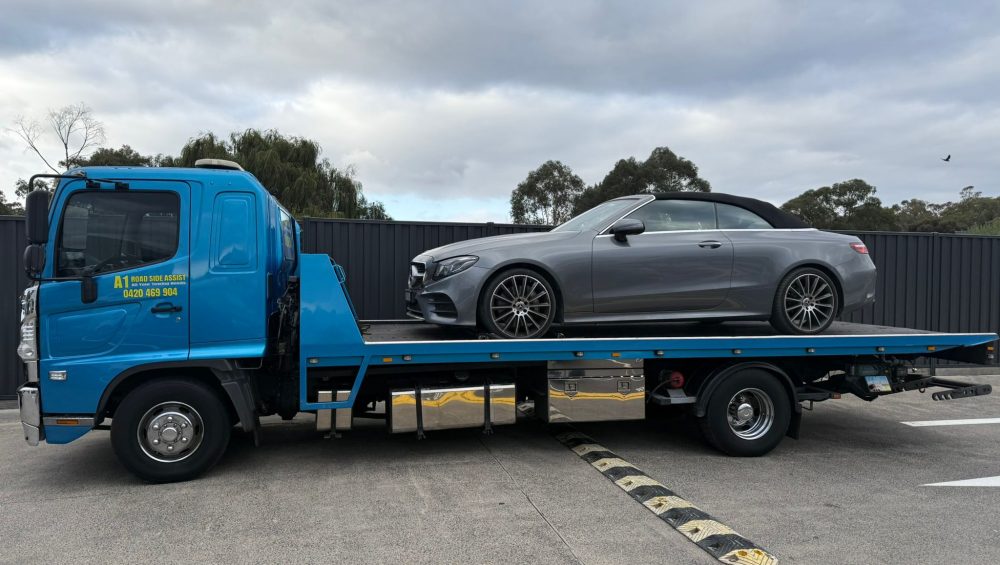
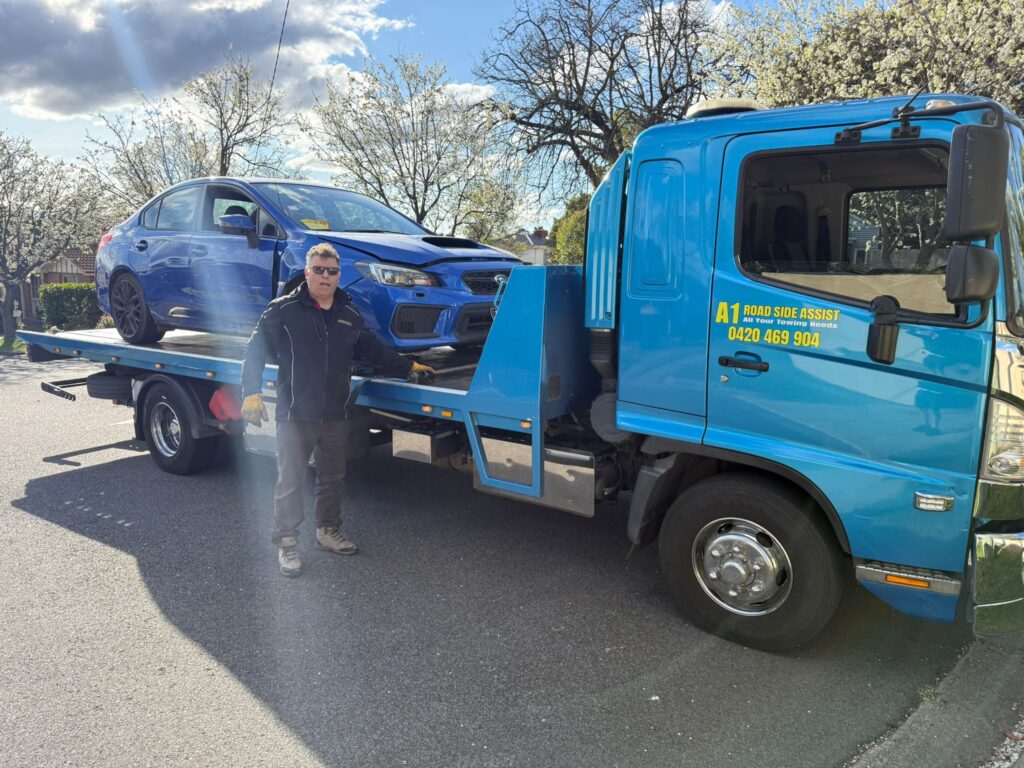
If you’re looking for a local option, A1 Roadside provides 24/7 towing and roadside assistance across Melbourne (towing, jump‑starts, emergency fuel, flat tyre help and accident recovery). Call Us for fast, reliable service — or compare their costs and coverage against the checklist in this guide before you sign up.
Related Resources in Melbourne Towing
- 24 Hour Tow Truck Service Melbourne
- Towing Cost Calculator Melbourne
- How to Get a Tow Truck in Melbourne
- How Much Does a Tow Truck Cost in Melbourne
7 Responses